Navcom Services
 Safety Services/LSA FFA
 IHM Maintenance Solution
 Analytics Services

 Engineering services


Custom Clearance for Cargo Ship: Complete Guide for Fast and Smooth Processing
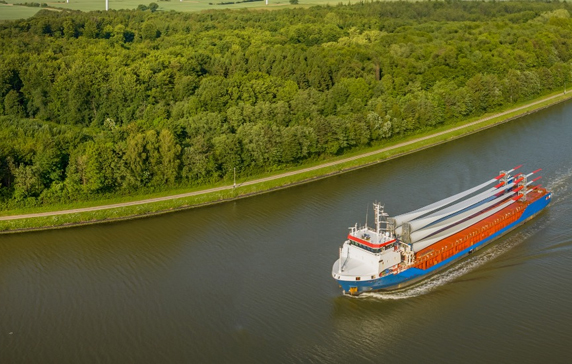
Moving goods across international waters is an essential part of global trade, and cargo ships play a dominant role in transporting bulk shipments. However, no matter how efficient the shipping process is, operations can quickly come to a standstill if custom clearance for a cargo ship is not handled correctly. Delays at the port lead to demurrage, higher storage charges, missed delivery schedules, and dissatisfied customers. To ensure smooth cargo movement, shippers must prepare accurate documentation, understand compliance regulations, and follow standardized clearance procedures.
What Is Custom Clearance for Cargo Ship?
Custom clearance for a cargo ship refers to the process of obtaining government approval before goods transported by sea can enter or exit a country. Customs authorities inspect documentation, verify goods, assess duties and taxes, and ensure compliance with trade regulations. Only after the clearance is granted can the cargo be loaded for export or released for import.
This procedure protects international trade security, prevents illegal transportation, and ensures correct collection of tariffs. For logistics managers, freight forwarders, importers, and exporters, handling customs clearance effectively is critical to maintaining supply-chain efficiency.
Essential Documents Required for Cargo Ship Customs Clearance
To avoid operational disruptions, all documents must be complete, accurate, and consistent across paperwork. Use the checklist below to ensure nothing is missed:
- Commercial Invoice with detailed product description and declared value
- Packing List with quantity, weight, dimensions, and packaging details
- Bill of Lading (BL)
- HS / Harmonized System Classification Codes
- Import or Export License (if applicable)
- Certificate of Origin
- Insurance Certificate
- Compliance Certificates (CE, FDA, Phytosanitary, etc.) depending on cargo category
- Cargo Manifest
- Dangerous Goods Declaration for hazardous cargo
- Port-specific permits if the destination requires them
Incorrect HS codes, inaccurate values, and mismatched invoice–packing list information are among the top causes of customs clearance delays for cargo ships.
Step-by-Step Process of Customs Clearance for Cargo Ships
Although procedures differ slightly across countries, most ports follow a similar clearance journey:
- Submission of documents to customs authorities
- Verification of HS codes, cargo descriptions, and values
- Assessment of applicable duties, taxes, and port charges
- Inspection process may be physical inspection, scanning, or selective risk-based checking
- Payment of duties and customs fees
- Issuance of cargo release order allowing movement out of the port
With proper planning and documentation accuracy, this process can take hours. Without it, clearance holds may last days or weeks.
Expert Tips to Avoid Clearance Delays
Maintain matching information across all documents
Even minor inconsistencies between the invoice, packing list, and Bill of Lading can trigger customs inspections.
Use verified and precise HS codes
Incorrect classification causes reassessment, fines, and long delays. Always double-check HS codes with suppliers or automated systems.
Prepay duties and taxes, if possible
Shipments often remain stuck because payments were not processed in time. Use advance payment methods to avoid unnecessary port charges.
Keep digital and physical copies of documents
Responding instantly to customs inquiries prevents delays during inspection.
Work with an experienced customs clearing agent or logistics partner
Experts understand regulations, prepare documentation correctly, and coordinate directly with customs authorities for faster release.
Why Efficient Customs Clearance Matters in Marine Logistics
When customs clearance is managed efficiently, supply-chain operations become more predictable, reliable, and cost-effective. Benefits include:
- Reduced demurrage and detention fees
- Faster turnaround of vessels
- On-schedule final delivery
- Less operational downtime and warehouse congestion
- Improved customer trust and repeat business
For businesses handling regular international shipments, streamlining custom clearance for cargo ship is essential to staying competitive.
Role of Customs Brokers and Clearing Agents
Many companies rely on customs brokers or clearing agents to manage clearance tasks. These professionals:
- Prepare and verify documentation
- Classify products with correct HS codes
- Coordinate duty payments
- Arrange bonded transit and storage when required
- Liaise directly with customs officers
Their expertise eliminates guesswork and reduces the risk of costly delays.
Final Takeaway
Efficient custom clearance for cargo ships is not just about paperwork — it is about planning, accuracy, compliance, and communication. By maintaining a complete document checklist, preparing duties ahead of time, understanding country-specific regulations, and involving experienced customs professionals, businesses can prevent delays and maintain uninterrupted cargo movement.
In a competitive global market, companies that master customs clearance enjoy smoother operations, lower costs, and higher profitability. A proactive approach ensures that every shipment reaches its destination on time — without stress at the port.